Alcohol withdrawal help New Jersey
Alcohol withdrawal help New Jersey residents need is one free call away. The state has 330 facilities listed by SAMHSA, and 36 of them list alcohol detox. Advisors explain each step before anything happens.
- provide detox
- 46
- offer alcohol detox
- 36
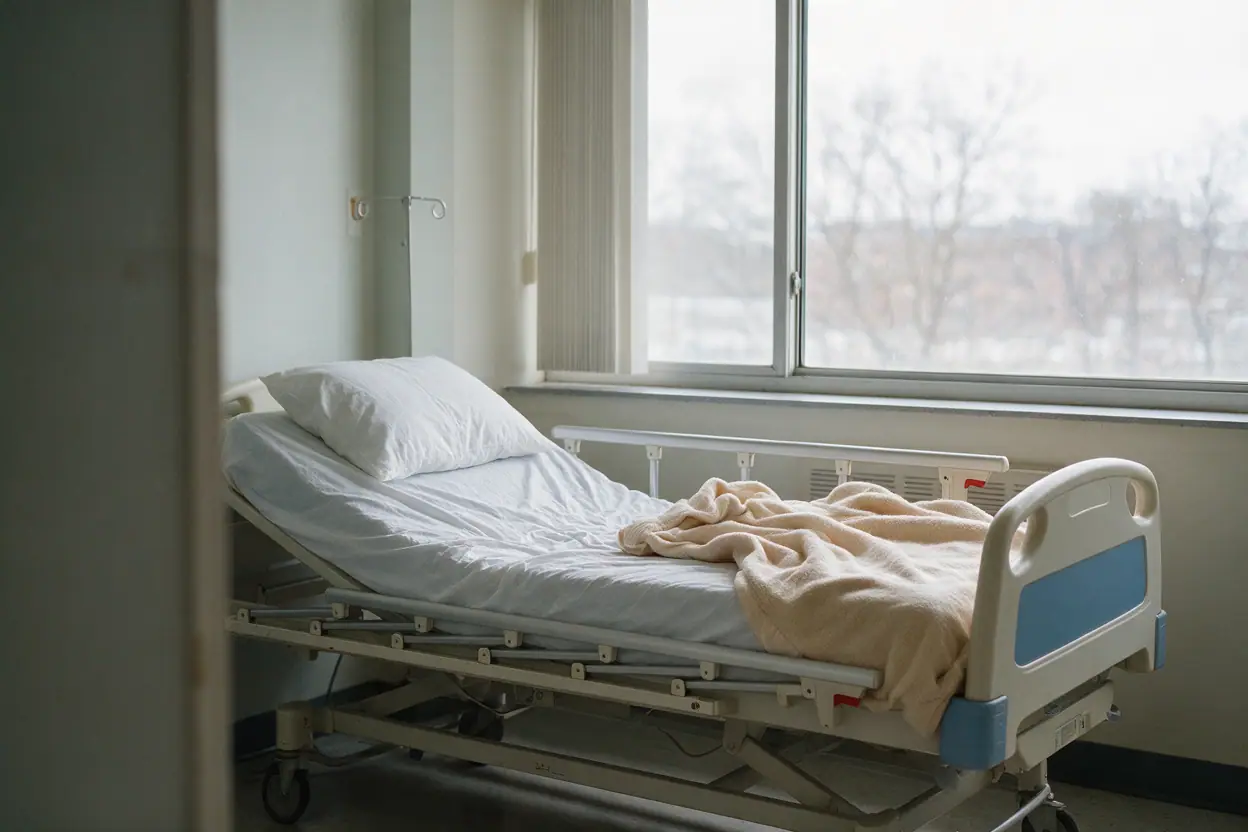
If you are reading this because someone you care about stopped drinking and started shaking, sweating, or seeing things, you are in the right place. Those are signs that need a clinician, not a home remedy. The guidance below walks through what withdrawal usually looks like, why medical supervision changes the risk, and how to find alcohol withdrawal help in New Jersey without pressure or a sales pitch.
This site does not provide treatment, and it does not diagnose anyone. The helpline is answered by trained advisors connected to licensed programs. Calls cost nothing, remain private, and commit you to nothing, and no one can promise admission, insurance coverage, or any particular outcome. Advisors can listen, explain the levels of care that exist, and point you toward programs that match your situation and location.

Alcohol withdrawal help New Jersey
For New Jersey residents seeking help with alcohol withdrawal, timing matters: MedlinePlus notes symptoms may start within 8 hours of the last drink, but in some people they appear days later. Because of that gap, planning ahead works better than waiting to see how things go. SAMHSA-listed New Jersey alcohol detox programs can assess someone before symptoms get worse, and 36 facilities statewide list alcohol detox services, so choices are usually within driving distance.
Most often symptoms peak between 24 and 72 hours, though they may continue for weeks. Changes in sleep, quick mood swings, and fatigue can linger for months. When someone has been through severe withdrawal before, or drinks heavily every day, a supervised setting is safer than stopping at home, since complications can move fast and the earliest hours count the most. Call the helpline and an advisor can explain what a medical assessment involves before you commit to anything. For alcohol withdrawal help in New Jersey, start with a medical assessment, not a hunt for a bed; a clinician determines the level of care, and advisors can match you with programs nearby, inpatient and outpatient alike. New Jersey rehabs handle the first week differently, so ask about medical monitoring directly before you pick a center.
Why medical oversight matters
- Alcohol and benzodiazepine withdrawal May be dangerous and sometimes life-threatening, which is why a clinician should be involved from the beginning. Supervised detox in New Jersey lets staff watch for seizures and confusion during the riskiest hours. This page offers general information only and never advice on dosing or tapering.
- Do not quit alcohol or benzodiazepines suddenly without a clinician, particularly after years of heavy use. In a supervised setting, staff can respond fast if breathing, blood pressure, or mental status shifts. For someone living alone, a monitored setting closes the gap when nobody is watching.
- Someone with a history of seizures, prior complicated withdrawal, or other medical conditions should be evaluated before any at-home plan is considered. Call 911 for emergencies rather than driving to a program. If you are unsure whether a symptom is an emergency, then err toward calling 911 first.
- Ask any program you contact whether it is licensed and how it handles medical monitoring during the first days. The Joint Commission or CARF accreditation can be checked with the program, and SAMHSA listings show what services each site reports. Free alcohol rehab New Jersey questions are fair to ask on the first call, including fees, insurance, and what happens if someone leaves early.

Common questions
Is there such a thing as an alcohol detox, and does it help with alcohol withdrawal help New Jersey?
Correct. Medical detox for alcohol is an actual service, and on SAMHSA FindTreatment.gov, 36 New Jersey facilities list it. During the initial withdrawal days, detox staff monitor vital signs and work to keep people safe. Detox is not a cure, and no result can be guaranteed, but it reduces risk compared with quitting on your own after heavy daily drinking. Following detox, staff typically recommend continued care, like inpatient or outpatient treatment.
How long are patients in inpatient rehab, and when does withdrawal fit in?
How long an inpatient stay lasts depends on the person and the program, often several weeks to several months, and withdrawal care usually comes before anything else. Withdrawal symptoms usually peak between 24 and 72 hours after the final drink, though they can continue for weeks, and changes in sleep and mood may last for months. Inpatient rehab programs across New Jersey each set their own lengths of stay, so ask any program how it structures its first week.
Does rehab have to be inpatient?
No. Many people start with detox or a partial hospital program and step down to outpatient care. Inpatient makes sense when withdrawal has been complicated before, when home triggers are hard to avoid, or when someone needs round-the-clock monitoring. Outpatient works when the person is medically stable and has a safe place to live. With 330 facilities listed statewide, both types are available, including medication-assisted options. New Jersey rehab centers differ in what they accept, so confirm insurance and Medicaid before a tour.
Who qualifies for inpatient rehab, and will Medicaid pay?
Inpatient rehab often suits a person who needs structure every day or medical monitoring, and that determination comes from a clinical assessment, not a phone screener. New Jersey Medicaid covers some substance use treatment, and federal parity law restricts how plans treat mental health and addiction benefits, but coverage hinges on your plan and the facility. Before you commit to anything, ask about free alcohol rehab options and sliding-scale fees. If Medicaid is your coverage, ask every center whether it accepts it before you book an assessment.
How much does detox cost, and is free alcohol rehab available in New Jersey?
Pricing ranges a lot, and we will not print a number we cannot confirm. Certain programs take Medicaid, others use sliding scales, and slots funded by the state are available. On your call, ask about the intake fee, the daily rate, what insurance pays, and how bills are handled if you leave before finishing. Reaching the helpline costs nothing, stays private, and can help you compare, and bringing up cost early is sensible, not impolite. When a center quotes a daily rate, ask what it includes so nothing surprises you later.