Womens alcohol rehab New Jersey
Womens alcohol rehab New Jersey searches often start late at night. New Jersey lists 221 programs for women, including 32 residential options. This guide explains what those listings mean and how to compare them.
- programs in New Jersey
- 221
- take Medicaid
- 159

When you search womens alcohol rehab New Jersey, the first thing to understand is that "women's program" can mean several different things. Some facilities set aside separate residential units for women. Others offer women-only outpatient groups that meet in the evening, so a parent can keep working and still get care. A few provide childcare or help with housing. The label on a listing does not tell you which of these you will get, so it is worth asking directly before you make any plans. Programs that serve women in New Jersey include 221 SAMHSA-listed options you can filter by level of care.
The need is genuine. SAMHSA listings show 330 facilities statewide, and 221 of them concentrate on serving women. A directory entry still says little about whether a particular program suits a particular person. Someone with severe alcohol use disorder and prior withdrawal may need a clinician watching closely at the start. Another person with steady housing and a job might do better in outpatient care that meets a few times each week. Fit depends on the person, not on how long a list is. When you cannot tell which level of care matches a free helpline call can help you sort through options without any obligation.

New Jersey counts behind listings
It helps to see how those 221 women's programs break down. Roughly 194 are outpatient, which usually means a few hours per visit and no overnight stay. About 159 take Medicaid, and around 176 work with private insurance. SAMHSA-listed rehab centers in New Jersey show 159 programs accepting Medicaid and 176 working with private insurance for women seeking alcohol treatment. These figures come from SAMHSA FindTreatment.gov listings as of November 2026, and they shift as programs open, close or update their records. Verify coverage with the program itself before relying on a listing.
Location matters too. A women's program in Englewood may be a short drive for someone in Bergen County but a long haul for a family in Camden. Some people prefer a program close to home so family can visit; others want distance from old routines. If you need to stay near a specific county, then ask the helpline to filter the 194 outpatient programs by distance before you start calling. Treat any directory count as a starting point, not a guarantee that a bed or a group slot is open this week.
- take Medicaid
- 159
- accept private health plans
- 176
- take Medicare
- 106
- provide a sliding-scale fee
- 97
| Center | City | Levels of care | Takes |
|---|---|---|---|
| Acenda Inc | Sewell | IOP, Outpatient | Medicaid, Medicare, Insurance, Sliding fee |
| Veronica Mullin LCADC LCSW | Matawan | IOP, Outpatient | Medicare, Insurance, Sliding fee |
| YMCA of New Jersey Shore | Matawan | IOP, Outpatient | Medicaid, Medicare, Insurance |
| Integrity Inc | Newark | Residential | Medicaid, Medicare, Insurance, Sliding fee |
| Integrity Inc | Newark | PHP, IOP, Outpatient | Medicaid, Medicare, Insurance, Sliding fee |
| Prime Healthcare Services | Newark | IOP, Outpatient | Medicaid, Medicare, Insurance |
| Addiction Recovery Consultants | Berlin | PHP, IOP, Outpatient | Insurance |
| Forge Health of West Deptford | Deptford | IOP, Outpatient | Medicaid, Medicare, Insurance |

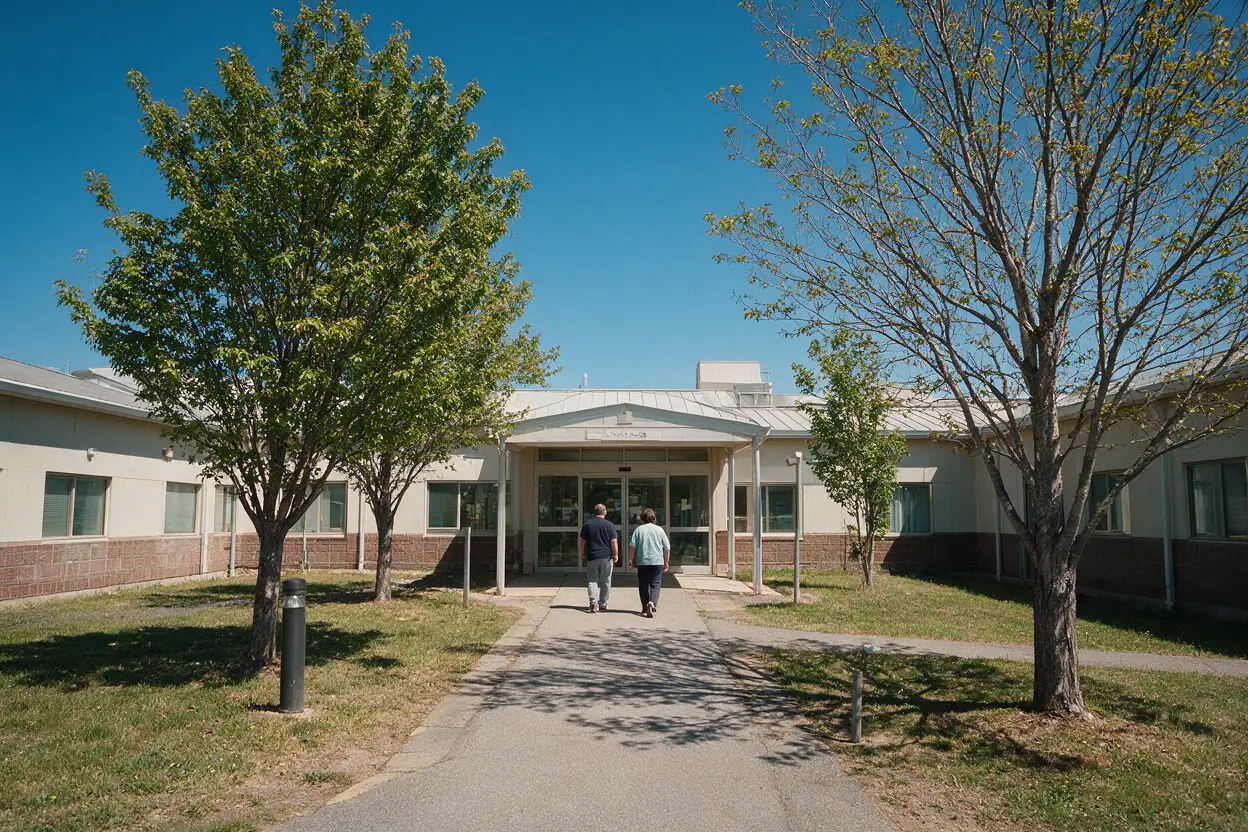
Why a program built for women can matter
A program built around women often addresses things a mixed setting can miss: trauma histories, caregiving responsibilities, and the fear of losing custody. About 32 of the 221 women's programs in the state are residential, which matters because residential care gives people a place to stay while they get treatment. For a mother who has been hiding her drinking, that separation can be the difference between finishing a program and leaving early. New Jersey rehab centers that set aside women-only residential units can offer a level of privacy and focus that mixed-gender settings may not.
The first days of care deserve a plain conversation. Alcohol withdrawal is genuinely risky, and severe cases can involve seizures or other serious complications. That is why supervised detox is often the first step for someone who drinks heavily every day. A program should say who provides that oversight and what happens if a person needs more intensive care than the site offers. If the answer sounds vague, ask again. When alcohol withdrawal is a concern, then medical oversight matters, and a program should explain exactly who provides it in the first days.
Payment shapes the picture for women's treatment in New Jersey as well. Certain programs design their women's services around Medicaid, and others depend on private insurance. This influences how soon a person can begin and how long they can remain. If a program accepts Medicaid, then the cost of care may be lower for people who qualify, so it is worth asking before you assume a program is out of reach.
Questions for a women's rehab program
- Do you offer women-only groups or a separate residential unit, and how many people are usually in each?
- How do you handle alcohol withdrawal, and who provides medical supervision during the first days?
- Will Medicaid or private insurance be accepted, and what portion of the bill falls to me?
- Can you help with childcare, transportation or housing while I am in treatment?
Common questions
How many womens alcohol rehab New Jersey programs are listed?
There are 221 SAMHSA-listed programs in New Jersey that serve women, out of 330 total facilities in the state. That includes 32 residential programs and 194 outpatient programs. The listings also show 159 programs that accept Medicaid and 176 that work with private insurance. Because listings change, confirm the current status and services with the program before making plans. If you call the free helpline, then an advisor can walk you through the 221 women's listings and help you narrow the list.
Does rehab have to be inpatient?
No. Most women's programs in New Jersey are outpatient, with 194 of the 221 listed programs offering that level of care. Inpatient or residential care, offered by 32 of them, is usually considered when someone needs medical supervision, has no stable housing, or has not done well with outpatient treatment. A clinician can help you decide which level fits the situation. When someone has tried outpatient care without progress, then residential care may be the next level to discuss with a licensed provider.
Is there such a thing as an alcohol detox?
Yes. Detox from alcohol is the stretch when the body clears the substance, and it may be supervised by medical staff because withdrawal carries danger. Symptoms range from trembling and sweating to seizures in severe cases. A program offering detox ought to describe who watches over you and what they do if you need more intensive care. Raise that question before you commit to any facility. If you are worried about withdrawal, then ask specifically who provides medical supervision and where that care takes place.
Who qualifies for inpatient rehab?
Inpatient or residential rehab is usually for people who need 24-hour support, medical supervision during withdrawal, or a stable place to stay while they get treatment. The 32 residential women's programs in New Jersey may have their own criteria. A program will typically assess your drinking history, health, housing and support at home before deciding whether residential care is appropriate. There is no single rule that applies to everyone. If a program cannot explain its admission criteria clearly, then keep looking until you find one that can.
Where do I look for free or low-cost help in New Jersey?
Begin with the 159 women's programs listed as accepting Medicaid, which can lower costs for people who qualify. County and state agencies may offer sliding-scale help too. A 24/7 helpline at no cost can help you compare programs and check what each accepts, and calling commits you to nothing. Verify any cost figure with the program directly before you enroll. When comparing womens alcohol rehab New Jersey options on a budget, ask each program about Medicaid and sliding-scale fees before ruling it out.